The Uncredited Lives of Film and Television
They said there are no small parts. We found them.
OnlySmall Actors
The Uncredited Lives of Film and Television
AI-generated portrait of Marcel De Voss
AI-generated · Fictional character
Home Little Caesar Profile
Film · Profile

Marcel De Voss

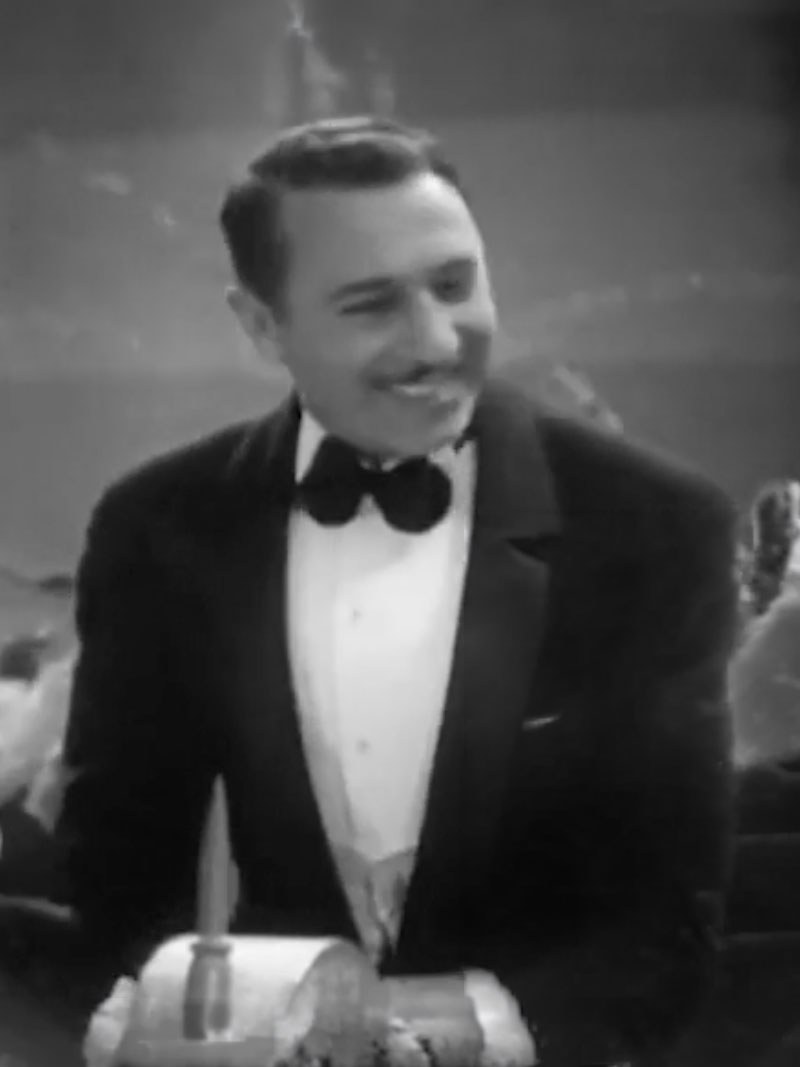
He managed the Bronze Peacock for eleven years without incident. Rico Bandello walked in on New Year's Eve and undid all of it in four minutes. De Voss was near the kitchen when the Commissioner was shot. He is on screen for 3.1 seconds. He has no lines.

3.1s total screen time
The Verdict
2/10
Screen Presence
6/10
Memorability
Did the Bronze Peacock ever deserve what happened to it?

The Man Who Ran the Room

Marcel De Voss had not planned to be in the nightclub business. He had planned, at various points in his life, to be an importer of Belgian lace, a translator for the French consulate, and a manufacturer of quality leather goods. He had tried all three, briefly, in the years after his arrival in Chicago from Liège in 1897. None of them took. What took, in the end, was the thing he had been doing all along without calling it anything — managing difficult rooms full of people who wanted things from each other.

He had run the cloakroom at the Hotel Brevoort on North Michigan Avenue for six years. Then the coat check at the Criterion Theater. Then the back-of-house at a supper club on Wabash that changed owners three times in four years but kept De Voss, because De Voss was the thing that worked. By 1917, a man named Arnie Lorch had noticed this and offered De Voss the management of a new operation he was opening on the North Side. De Voss accepted. He had no illusions about who Lorch was or where the money came from. He was fifty-one years old and past the age of illusions about most things.

The Bronze Peacock opened in the spring of 1917. De Voss named it. He had seen the phrase on a piece of Belgian wallpaper from his mother's house in Liège, a room he could still describe in precise detail forty years later. The wallpaper was gone by then, but the name seemed right for Chicago — a little absurd, a little grand, and utterly indifferent to whether you understood it.

I ran a clean floor. The kind of people who came there to make trouble were not the kind of people who came there at all. Until the night they were.
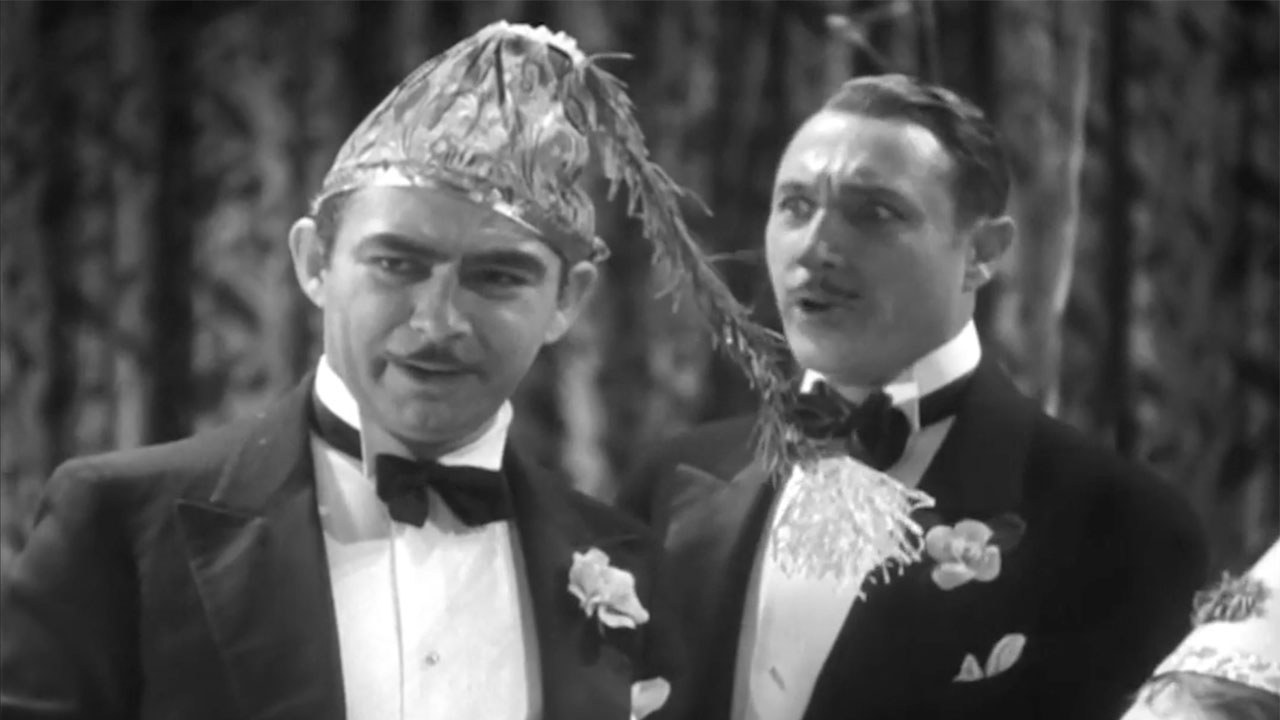
Marcel at the New Year's Eve party.
Marcel at the New Year's Eve party. 19:57

Eleven Years Without Incident

For eleven years the Bronze Peacock was, by the standards of what surrounded it, a model of professional restraint. Lorch's protection money kept the worst of the street violence outside. De Voss kept everything else in order through a combination of Belgian thoroughness and a talent for reading a room that he could not explain and had never tried to. He knew before the evening started which tables would be trouble. He moved the good-looking waitresses away from certain booths. He kept two large men near the entrance whose job was to stand there looking as though they had been standing there since the building was constructed.

He hired Joe Massara in the autumn of 1928. A young dancer from downstate, charming, light on his feet, the kind of boy women liked to watch without being able to explain exactly why. De Voss liked him immediately and for the same reasons he had always liked the right kind of employee: he showed up on time, he did the work, and he did not ask questions that were not his business to ask. That Massara had a history with the Vettori gang was something De Voss suspected but did not pursue. He was a nightclub manager. He was not a policeman.

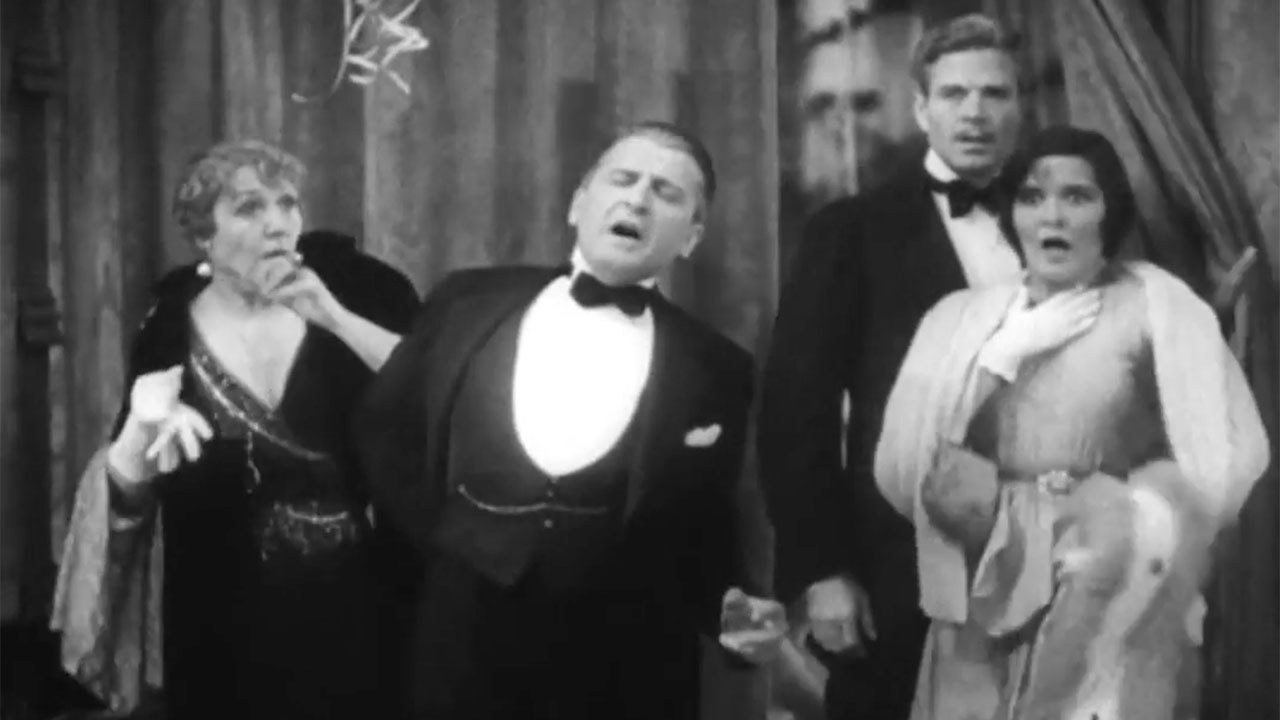
McClure shot at the part.
McClure shot at the part. 22:53

New Year's Eve

De Voss had been on his feet since two in the afternoon on December 31st, 1928. There were flowers to approve, a matter with the champagne delivery, a dispute between two of the kitchen staff that required twenty minutes he did not have. By the time the first guests arrived at nine he had already put in a full day's work and the night had not yet started.

He was standing near the kitchen entrance at eleven forty-five when the lights went. Not all of them. Enough. He heard the glass break before he understood what was happening, and then the shouting, and then the sound he would spend the remainder of his life trying to describe accurately — not quite a crash, not quite a scream, something that had no name in any of the four languages he spoke.

What happened in the next four minutes was established later, in pieces, through the statements of thirty-one witnesses and a grand jury proceeding that lasted eleven days. Rico Bandello and four members of the Vettori gang had entered through the service entrance at eleven forty-nine. The robbery was straightforward in conception — the New Year's Eve receipts, the safe behind the bar, Lorch's private cashbox that everyone except Lorch thought was a secret. What was not straightforward was Rico. Rico shot Crime Commissioner Alvin McClure on the dance floor at eleven fifty-two. De Voss was not on the floor when the Commissioner was shot. He had moved toward the kitchen at the first sign of trouble, a reflex from thirty years of managing rooms — when something goes wrong, go toward the thing you can control, which is the kitchen, and keep the kitchen calm. He heard the shot from behind a swinging door.

He told me later he thought he had heard a firecracker. It was midnight, after all. People were not unreasonable to expect noise.

What Followed

The police arrived at 12:07 a.m. The Bronze Peacock was a crime scene until the morning of January 3rd. De Voss spent New Year's Day giving statements in a room at the 33rd District precinct house on Halsted Street. He was thorough, accurate, and without dramatic embellishment, which the detective assigned to his statement later described as 'the most useful interview I conducted in the entire investigation.'

Lorch closed the Bronze Peacock two weeks later. He called De Voss at home on a Wednesday morning in January and told him the club was closed. He offered a month's severance. De Voss thanked him and hung up.

He was sixty-two years old. He found work again within six months — a smaller room, on the West Side, nothing like the Bronze Peacock. He managed it for four years, then retired to Rogers Park, a few blocks from the lake. He attended Mass at St. Ignatius every Sunday until he could not walk the distance without pain.

He died in 1944, two weeks after D-Day, which he had followed obsessively in the newspapers because his sister's grandchildren were in Liège and he did not yet know if they were safe. They were.

The Bronze Peacock reopened under new management in 1931. It burned down in 1936. The cause was electrical. The peacock neon sign, which De Voss had commissioned from a glassworker on Division Street in 1917, was destroyed in the fire. There had been only one.

What would be the point? He was what he was. I should have known what the room was.

Advertisement
Ad · 728×90